About the Foundation
Helping another human being is the best medicine.
Grateful Mind Foundation is a Minnesota 501(c)(3) (EIN 39-3035432), based in Minneapolis, with a Gold Seal on Candid. We are building a movement to improve mental health, strengthen recovery, and reduce isolation through two powerful tools: helping another human being and building community. In plain terms: we help people help people, we build community around them, and we measure what helping does for the helper.
Our story starts with a simple discovery: healing doesn’t come only from what we receive. It comes from presence, community, and the quiet power of helping another human being.
We stand on two things. The first is the movement: change how people look at the world — bring attention to all the beautiful people doing beautiful things, and thank them. The second is a school about giving — peer support, and community through education — a school that teaches people how to give, how to help another human being, and builds community around them as they learn.
What we are building
The school about giving is the foundation's work in the world. Helping and community are the two difference makers. Mentorship holds them, and we measure the difference it makes in the helper.
We help people in transition: people going through the hard passages of a life. Somebody coming out of treatment. Somebody living with anxiety, or depression, or the aftershock of trauma. Somebody whose life just changed, and who doesn’t yet know who they are on the other side of it. That is mental health, in plain words, and at one time or another, it’s most of us.
What a person in that passage needs is purpose, and to know they have value, and other people around them. So we created a school. It is free to the people who come through it. There is one cost, and it isn’t money: what you receive here, you give away. You learn to help, and then you go help. That is the whole tuition.
In recovery, our spearhead, everything in the recovery spectrum matters: detox, treatment in all its forms, medication, sober living, aftercare, peer recovery. We are not here to replace any of it. We believe one ingredient is missing: a way to turn the people who have been helped into helpers themselves. Grateful Mind supplies that missing formation layer. We form people who have been helped into trained, supported, accountable helpers, surrounded by community.
So what does the school actually teach? The tools are yoga, breathwork, and meditation: simple, old practices that teach a person to be present, and steady enough to be there for somebody else. Students train to competency in those tools, together with peer-recovery foundations like ethics, boundaries, role clarity, and warm referral. The classes they go on to teach are peer-led, beginner-first, and open to all. And graduates keep teaching, held by mentorship, ongoing education, and follow-up, because the missing mechanism is helping another human being help another human being.
Many students come through scholarships, funded by people who believe in this. Most programs rotate in and out, and their impact fades. Our model does the opposite: we build sustainable support from within.
We built this vision on measuring what we do, and on who holds the ruler. The main measurement is the helper. We take a starting picture of where each helper stands — their stability, their connections, their purpose, the hard facts of a life rebuilding — and we keep checking as they go. In recovery, that picture has a name: recovery capital, and we measure it carefully, because recovery is where we start. And we count the ripple too: every class taught, every person in the room, every thank-you sent, every helper who makes another helper. We count everybody who starts, and nobody disappears from our numbers. This is a development-stage program, created to help people, and to measure how helping another human being helps the helper.
Healing becomes sustainable when it’s shared.
Mental health is the wide sky
Mental health is the wide sky, and recovery is our spearhead: where we start, and where we measure first. What we learn there, we carry everywhere else.
From there, the same door opens to the other communities in the foundation's named programs: veterans, students and young people, and people in life's transitions. Other doors, including corrections and the workplace, are part of the longer road. Every community gets the same machine: people who have been helped, trained and supported to help their own.
Our founder
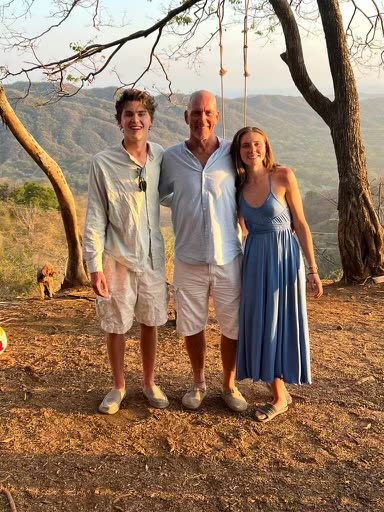
John Holien — Founder & President
John Holien is a wonderfully experienced human being. He has known great successes and great failures, and across 63 years, the lesson that outlasted all of it is a simple one: helping another human being is the greatest lesson there is.
Entrepreneur. Athlete. Father. A Winona native who built businesses, raised two children, Sophia and Thor, and danced with the devil more than once along the way. He has seen the whole spectrum: he has been homeless and hungry, and he has been wealthy, and he has been poor again. Through every version of his life, one thing stayed constant: helping another human being was the thread that carried him through. He counts himself blessed for all of it, and he learned most of what he knows the hard way.
His challenges with alcohol, drugs, and his own mental health gave him an education money can't buy. He has been sober since January 14, 1990, and in recovery he built and ran a 25-bed holistic treatment center as its Executive Director. Those are chapters of his story. They are not the headline.
The whole story is in his free book, A Grateful Mind. Read it here.
Board of Directors
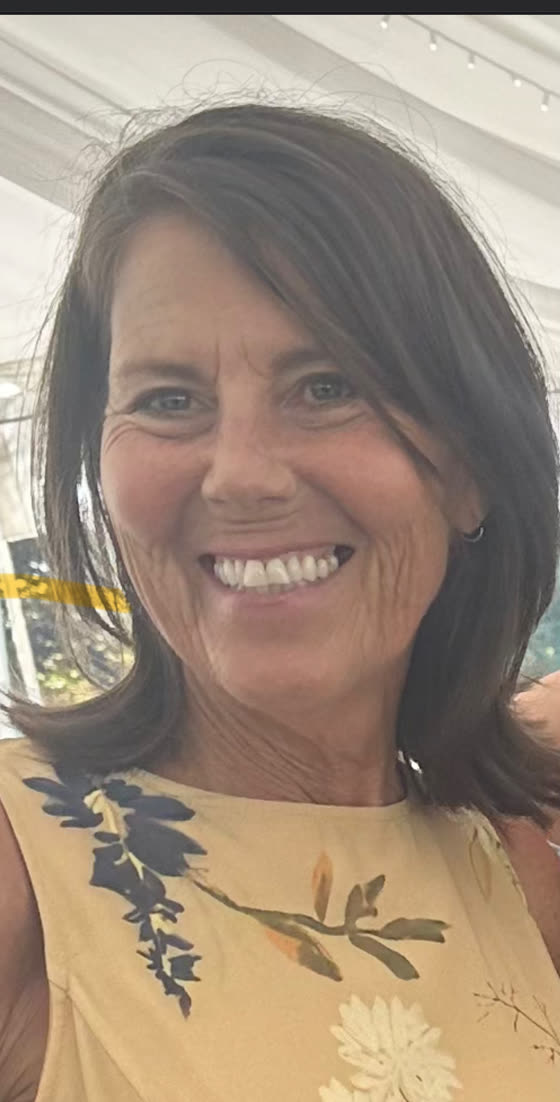
Catherine “Kay” Aanestad — Secretary
Kay Aanestad is a Licensed Social Worker (LSW) with over 30 years of experience serving individuals navigating substance use disorders, mental health challenges, disabilities, and the aging process. A true believer in the healing power of connection, Kay has dedicated her career to fostering community inclusion and advocating for those whose voices too often go unheard. She currently serves as a Senior Social Worker in Disability and Aging Services in Anoka County, Minnesota.
Kay has worked extensively with federal and state agencies to implement housing, vocational, and wellness supports. She has served as an acting guardian, appointed by the Minnesota Commissioner of Human Services, for individuals deemed unable to ensure their own safety. Kay also sits on the Minnesota Board on Inclusion, working to elevate the voices and rights of marginalized communities across the state.
A long-standing member of the Minnesota Social Service Association (MSSA), Kay continues to integrate professional service with personal growth. She is a dedicated yoga practitioner of over 10 years and has lived an alcohol-free lifestyle for the past 4+ years — a shift that deepened her empathy and commitment to wellness.
Kay lives in Minneapolis, where she is a proud mom to three and a beaming "Nana" to two amazing grandchildren. A lifelong Deadhead, she's been riding the Dead Bus for over 30 years — drawn to the light, love, and community it represents.
At Grateful Mind Foundation, Kay brings not only a wealth of professional expertise but also a deep personal commitment to healing, service, and building compassionate community.
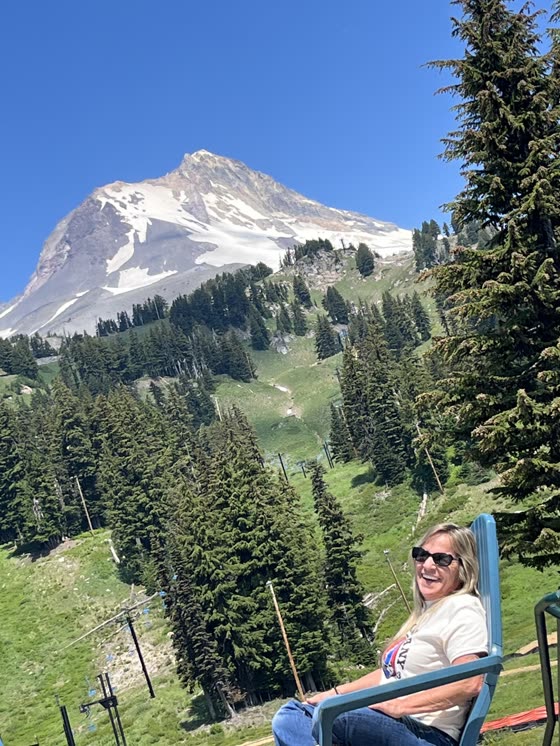
Beth Austin — Board Member
Raised in New Jersey as the youngest of five, I relocated to Florida in 2001 after years of addiction and self-destruction left me bankrupt—spiritually, emotionally, financially, and physically. Through 12-step recovery, fellowship, therapy, and the integration of holistic practices like meditation, yoga, and breathwork, I began a lifelong path of healing and transformation.
In 2003, I entered the field of substance use treatment—starting by driving what we affectionately called the "druggie buggy"—and eventually became a certified addiction counselor. Today, I serve as Executive Director for three treatment facilities and consult in multiple states across all levels of care in substance use disorder treatment.
The past 24 years have been a long, strange trip—and a journey beyond my wildest dreams. I've been blessed with a career I love, meaningful relationships, a home, parenthood, and a renewed sense of purpose. Yet, the real gift lies in the inner work: a daily practice of spiritual principles, mindfulness, and continued growth.
Holistic healing has played a vital role in helping me find balance, peace, and direction. I'm honored to be part of The Grateful Mind Foundation, where we turn purpose into possibility—helping others access the same healing tools that helped save my life.
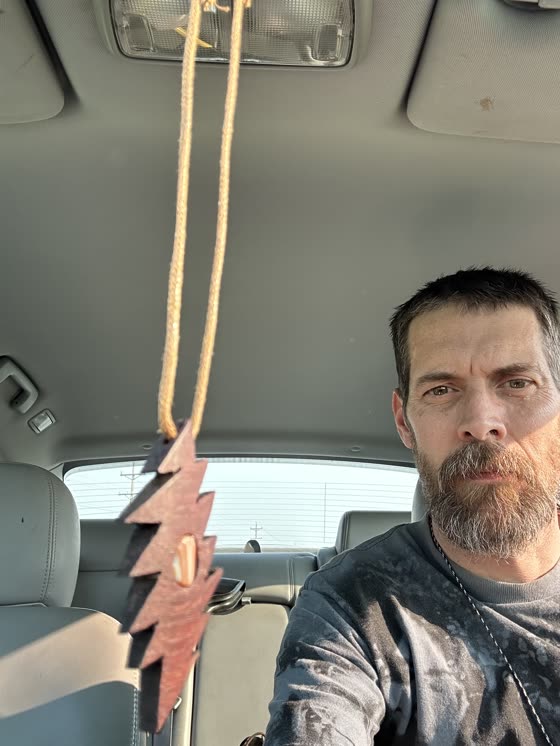
Joe Torbert — Treasurer
Joe is the owner of an accounting firm that works exclusively with nonprofit companies for 21 years and has been on the board of dozens of charitable organizations. His work has raised over 10 million dollars to serve the missions at hand. He has a wealth of experience in all aspects of the financial side of the business including tax reporting and audit representation.
He earned his first license to produce artwork for the Grateful Dead in 1998 and has been "on the bus" since. A veteran to Shakedown Street, he has been to over 1,000 live shows across the world.
Among his proudest accomplishments, he has been alcohol free for 10 years and believes strongly in Grateful Mind work and the mission of the foundation.
Advisory Board
John C. Levy — Advisory Board
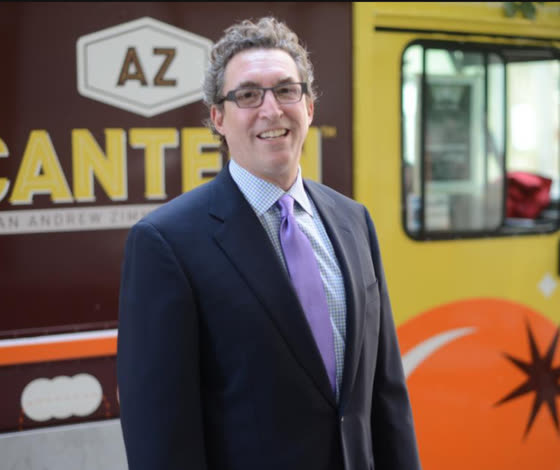
John is a corporate and business lawyer with 40 years' experience representing businesses and individuals in all manner of business issues and transactions, with an emphasis on securities and M&A transactions. He's also the founder and President of the Minnesota Food Truck Association, the official trade association of Minnesota food trucks. John began his career at a large Wall Street firm before recognizing and accepting his need to move to Minnesota initially to attend chemical dependency treatment at Hazelden, and subsequently remaining there within the sober community where it was easy to find like-minded souls devoted to healing, personal growth and service.
Throughout his career, he has earned a reputation for authenticity, thoughtful counsel, and a deep respect for the human side of every negotiation or transaction. His clients value not only his legal acumen but also his insight into the underlying dynamics that often shape personal and professional relationships. Whether in the context of sponsoring and service, or his professional advisory services and transactions, John's commitment, attentiveness, perspective, and assertiveness often makes him an integral part of client management teams.
John brings these same values to his interest in serving on the Board of Grateful Mind Foundation. His long-standing commitment to personal growth, empathy, community well-being, and redemption fuels his desire to be part of something bigger than himself, particularly if that something is in Costa Rica, where he travels frequently for surfing and healing.
When not practicing law, John enjoys spending time with loved ones, listening to the Grateful Dead, and playing disc golf, basketball, and surfing—especially on the East End of Long Island, where his family has a home.
Christine Orient — Advisory Board
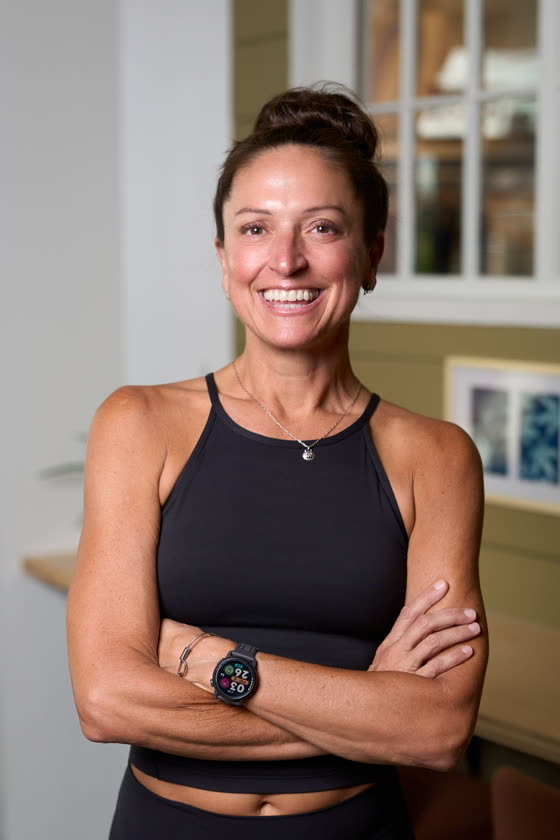
Christine Orient has been teaching yoga since 2005 and has completed over 1,000 hours of advanced training in yoga, fitness, breathwork, and meditation. With more than a decade of experience training both teachers and practitioners, Christine has developed courses across multiple disciplines, including yoga, Pilates, and mindful movement practices. She is skilled in teaching a wide range of modalities, from hot yoga and vinyasa flow to yin, sculpt, and mat Pilates.
Christine is also a grateful member of the recovery community. She believes that yoga and meditation are powerful tools to support long-term sobriety, offering practices that help people reconnect with their bodies, quiet the mind, and cultivate resilience.
Her approach emphasizes accessibility, depth, and the integration of mind, body, and spirit.